
About Kartik Caterers
Three Decades, One Simple Promise
A quiet, steady commitment to food, hospitality and celebration in Agra.
Where It Began
A Story Rooted In Agra
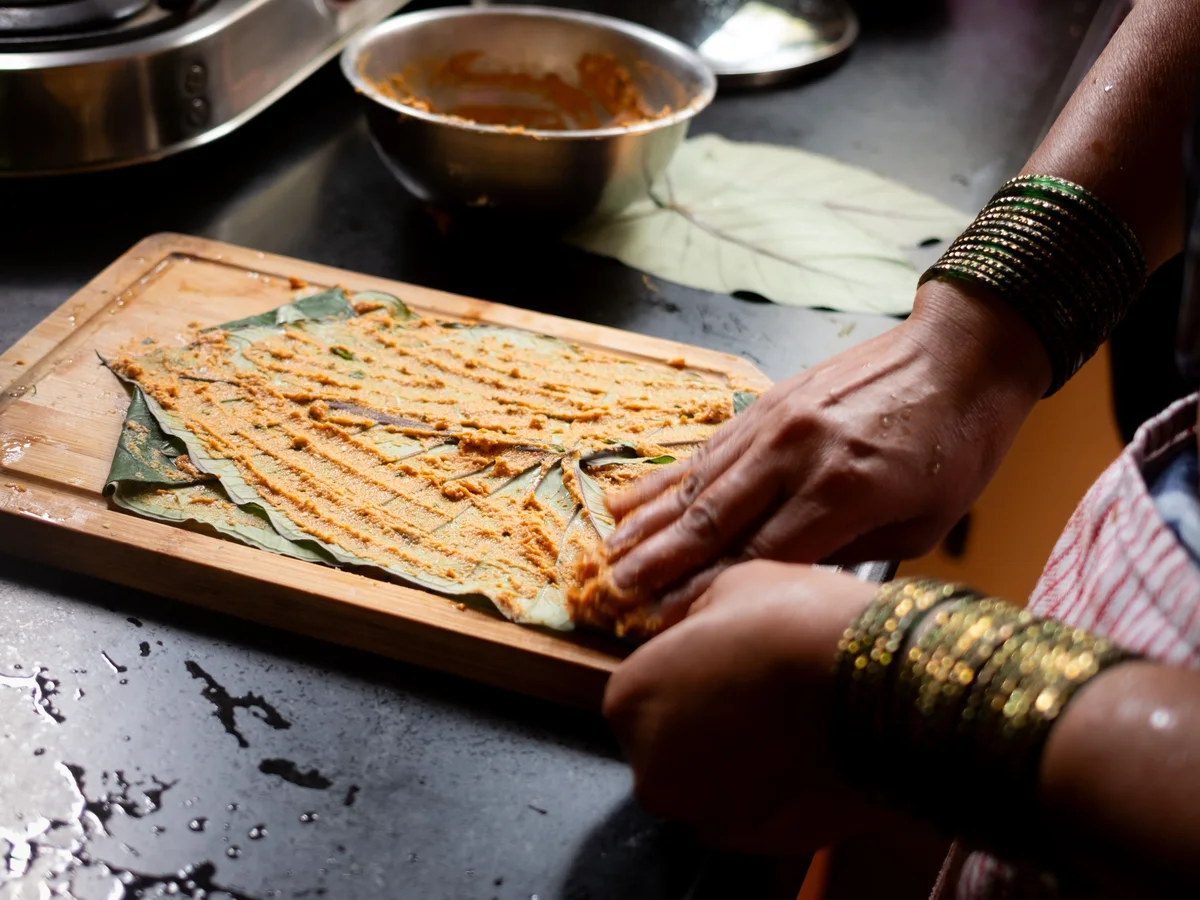
Kartik Caterers started in a narrow lane of Gandhi Nagar, where the smell of tempering cumin still drifts out of home kitchens most evenings.
The idea, back then, was almost stubbornly simple: a wedding is remembered for how the food tasted and how the guests were looked after — everything else is just decoration around that. There was no grand plan, no investor deck, just a small team that cared more about the third helping of dal makhani than about how the stall looked from a distance.
That idea got tested the way it should be — on real weddings, for real families, in front of relatives who show up hungry and more than a little opinionated. Cooking across the Vijay Nagar side of Agra meant feeding people who had grown up on their grandmother's cooking and would notice instantly if the chaat counter ran cold or the roti arrived stiff. There was no shortcut through that. You either got it right, or you didn't get asked back for the next wedding in the family.
Years of that, one function at a time, is what actually built this business — not a slogan, but a habit: show up early, taste everything twice, and keep the promises nobody is around to check on. Somewhere along the way, that habit became a name people pass on to a cousin or a neighbour before the wedding cards are even printed.
“A wedding runs on a hundred small details. Ours has always been to make sure nobody at the table ever has to notice one going wrong.”Kartik Caterers

How We Work
Hospitality At The Heart Of It
Every menu starts as a conversation, not a template pulled off a shelf. We ask what the family actually eats at home, what the grandparents will fuss about if it is missing, whether the sangeet crowd wants a chaat counter still running past midnight. Nothing goes on the final card until it has been tasted in our own kitchen first — often more than once, because a recipe that works beautifully for fifty guests does not always survive the jump to five hundred.
On the day itself, that same attention shows up in smaller, quieter ways: a live counter run by someone who actually knows the dish rather than just how to reheat it, a buffet arranged so it looks intentional instead of assembled in a hurry, a service team briefed on the particular rhythm of that family's wedding rather than handed a generic checklist. Good hospitality, we have learned over the years, is mostly about anticipating the moment before it happens — refilling a glass before it is empty, moving a chair out of the sun for an elderly guest before anyone has to ask.
None of this is dramatic. It is just consistent, and over enough weddings, consistency starts to look a lot like trust.
The Team
The Hands Behind Every Plate
Walk into our kitchen a few hours before any wedding and it does not look glamorous — it looks like a lot of people who have done this before, moving with the kind of quiet coordination that only comes from having covered for each other through a hundred previous functions. Some of our cooks have been with us long enough to remember menus we no longer even offer. Some of our service staff started out carrying trays as helpers and are now the ones training the new batch before every wedding season begins.
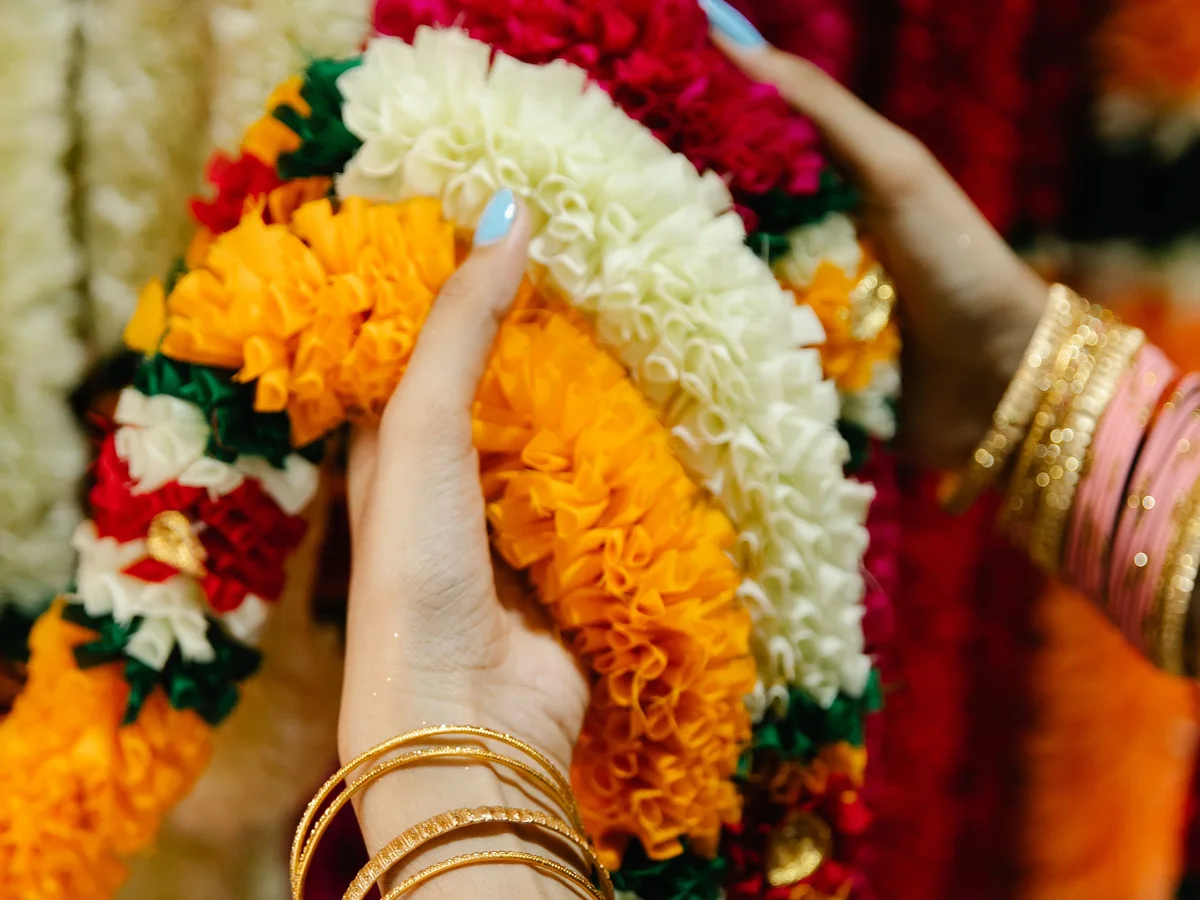
That continuity matters more than it sounds like it should. A caterer who rebuilds his whole team every season is gambling with somebody's wedding day. We would rather keep people around, teach them properly, and let that marigold-garland level of attention become second nature instead of a performance rehearsed once and forgotten.
It is a slower way to build a team. It is also, we think, the only way to build one you can actually trust with a day this important.

Kartik Caterers
Gandhi Nagar, Agra
Catering weddings, celebrations and everything in between.